The Instructor Reaction Loop; How Your Response Shapes the Lesson
Apr 26, 2026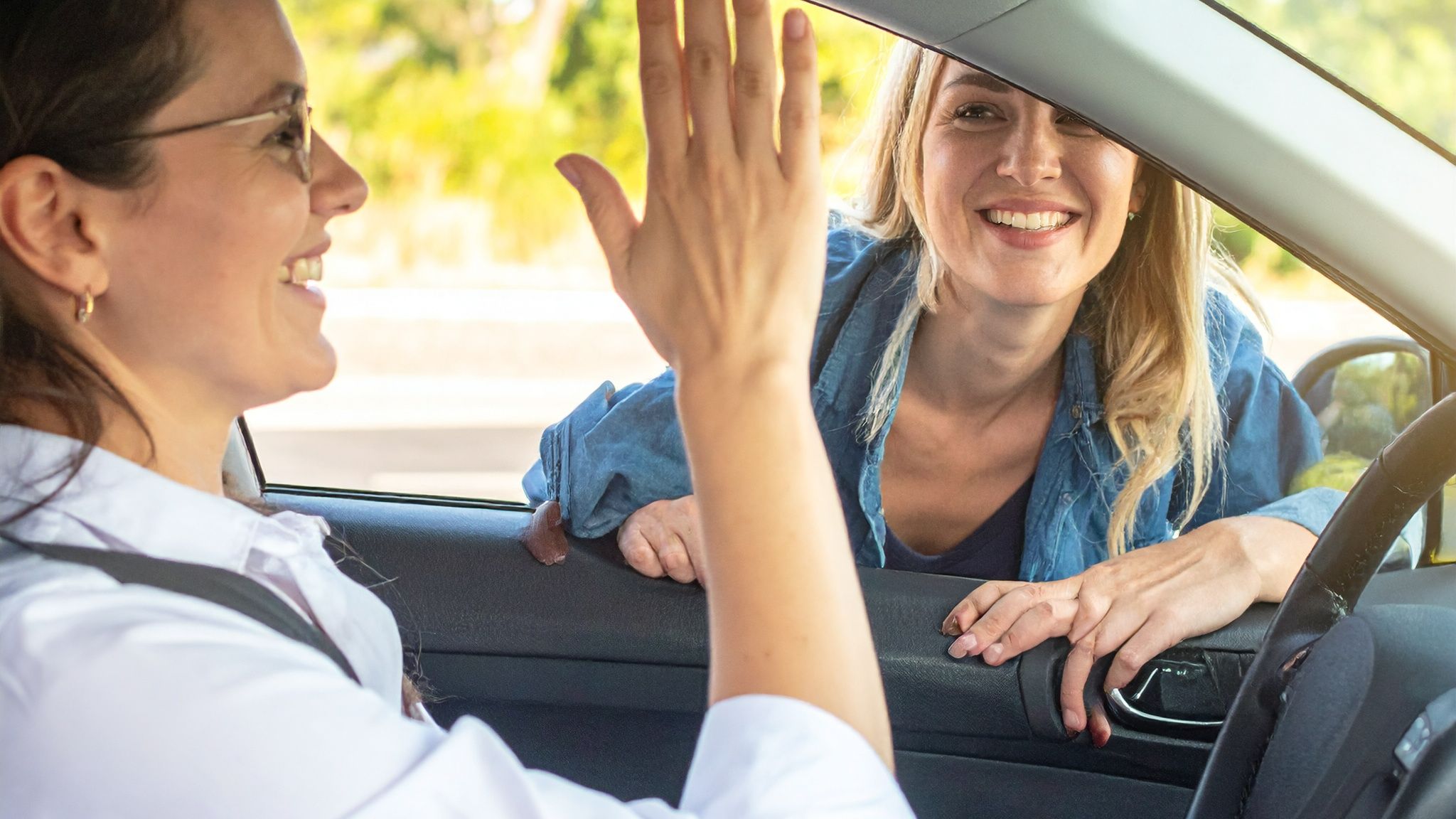
Every driving lesson is a two-way interaction. The learner responds to the environment. And the instructor responds to the learner.
This creates what we call the Instructor Reaction Loop.
Why This Matters
In moments of stress, like a missed turn or hesitation at an intersection—the learner is already experiencing heightened pressure. The instructor’s response in that moment can either:
- reduce that pressure
- or increase it
What Research Suggests
Social learning theory, developed by Albert Bandura, highlights that people learn not only through instruction, but through observation and interaction.
Learners are constantly reading:
- tone of voice
- facial expression
- pacing
- emotional response
This shapes how safe, or unsafe, the learning environment feels.
Two Possible Loops
Escalating Loop
Learner makes mistake → instructor becomes tense → learner senses tension → anxiety increases → more mistakes
Regulating Loop
Learner makes mistake → instructor remains calm → learner feels supported → anxiety decreases → learning continues
What This Means in Practice
Small shifts matter. Instead of reacting quickly, effective instructors:
- pause
- soften tone
- simplify instructions
This creates space for the learner to recover.
Why this matters
The importance of supportive, predictable environments in learning is often overlooked in traditional instruction. Consistency and emotional safety directly impact engagement and outcomes.
The Neuroshift™ Perspective
Your response is not separate from the lesson. It is the lesson.